
Lake County Probate Court Role
Probate in Lake County is handled as a case type in the Lake County District Court. The research did not identify a separate elected probate court for the county. That matters because estate filings, guardianship filings, conservatorship filings, probate hearing dates, letters, and certified probate copies route through the Lake County Combined Court clerk, not the Lake County Clerk and Recorder.
Lake County probate records can include testate estates, intestate estates, informal probate, formal probate, small estate issues when eligible, appointment of a personal representative, wills filed with the court, adult guardianships, adult conservatorships, minor guardianships, inventories, creditor notices, accountings, final reports, and orders. The Colorado Judicial Branch probate self-help page supplies statewide forms and instructions, while local filing and copy questions should be confirmed through the Lake County trial court page.
Lake County District Court Probate Division
Lake County Combined Court
505 Harrison Avenue
Leadville, CO 80461
Use the current phone on the Colorado Judicial Branch Lake County page
Confirm office hours before visiting.
Lake County Probate Terms
Probate filings use words that do not appear in many other court records. The terms below help separate an estate case from a guardianship or conservatorship case before calling the clerk or searching a docket.
- Testator
- A person who made a will before death.
- Executor
- A person named in a will to carry out estate duties. Colorado forms may also use personal representative.
- Intestate
- A death without a valid will, so estate authority follows Colorado law and court orders.
- Guardianship
- A court case about personal care and decision-making for a minor or adult who needs protection.
- Conservatorship
- A court case about management of money or property for a protected person.
Search Lake County Probate Records
Public probate hearing information may appear through the Colorado Judicial Branch docket search. That portal is useful for dates, court location, case identifiers, and public docket events, but it is not a full document repository. Probate documents such as wills, letters testamentary, inventories, accountings, and orders often require a request to the Combined Court clerk.
- Search the statewide docket page with Lake County selected when public hearing or case calendar data is enough.
- Use the case number if known. If it is not known, search by estate name, protected person name, decedent name, or personal representative name where the portal permits.
- Record the case number, court, and event details before contacting the Combined Court clerk.
- For letters, certified orders, wills, or older case files, ask the clerk how to request inspection, pickup, mail delivery, and certification.
| Field Label | Type | Required | Notes |
|---|---|---|---|
| County | Dropdown | Yes | Choose Lake County. |
| Case number | Text | Optional | Probate case numbers may include a probate case type code. |
| Estate or protected person name | Text | Optional | Search decedent, ward, protected person, or personal representative. |
| Date or hearing date | Date | Optional | Useful when checking a hearing calendar. |
| Court | Dropdown | Optional | Use District Court when the choice appears. |
Note: A missing online result does not prove that no Lake County probate case exists.
Lake County Probate Copy Requests
The Combined Court clerk is the access point for Lake County probate case files and certified court copies. A request should identify the case number, party or estate name, document requested, whether a certified copy is needed, and the preferred delivery method. A certified copy may be required for banks, title work, estate administration, or proof of fiduciary authority.
| Request Item | Best Detail to Provide |
|---|---|
| Letters testamentary or administration | Case number, estate name, personal representative name, certification need. |
| Guardianship or conservatorship order | Protected person name, case number, exact order date if known. |
| Inventory or accounting | Case number and document title, with awareness that financial detail may be restricted. |
| Final order or closing statement | Estate name, filing date range, and plain or certified copy choice. |
The Lake County Clerk and Recorder is separate. It handles marriage licenses and recorded instruments, not probate case files. A real property deed or recorded lien may belong with recording staff, but a probate order or estate file belongs with the District Court clerk.
Lake County Probate Fees
The research did not capture Lake County-specific probate filing fees or certified-copy amounts from an official local page. The correct approach is to verify the current Colorado Judicial Branch fee schedule and then confirm local payment methods with the Combined Court clerk before filing by mail or requesting certified copies.
| Item | Fee Status |
|---|---|
| Probate filing fee | Exact amount not captured in official Lake County research. |
| Guardianship or conservatorship filing | Exact amount not captured in official Lake County research. |
| Certified probate copy | Call the Combined Court clerk for copy and certification cost. |
| Plain probate copy | Call the Combined Court clerk for page and delivery rules. |
| Fee waiver | Ask for Colorado court fee-waiver forms if unable to pay. |
Do not mail payment until the clerk confirms the case, document, amount, and accepted payment method. Probate copy requests should also state whether the requester needs letters, an order, a docket sheet, or the full file.
Lake County Probate Access Images
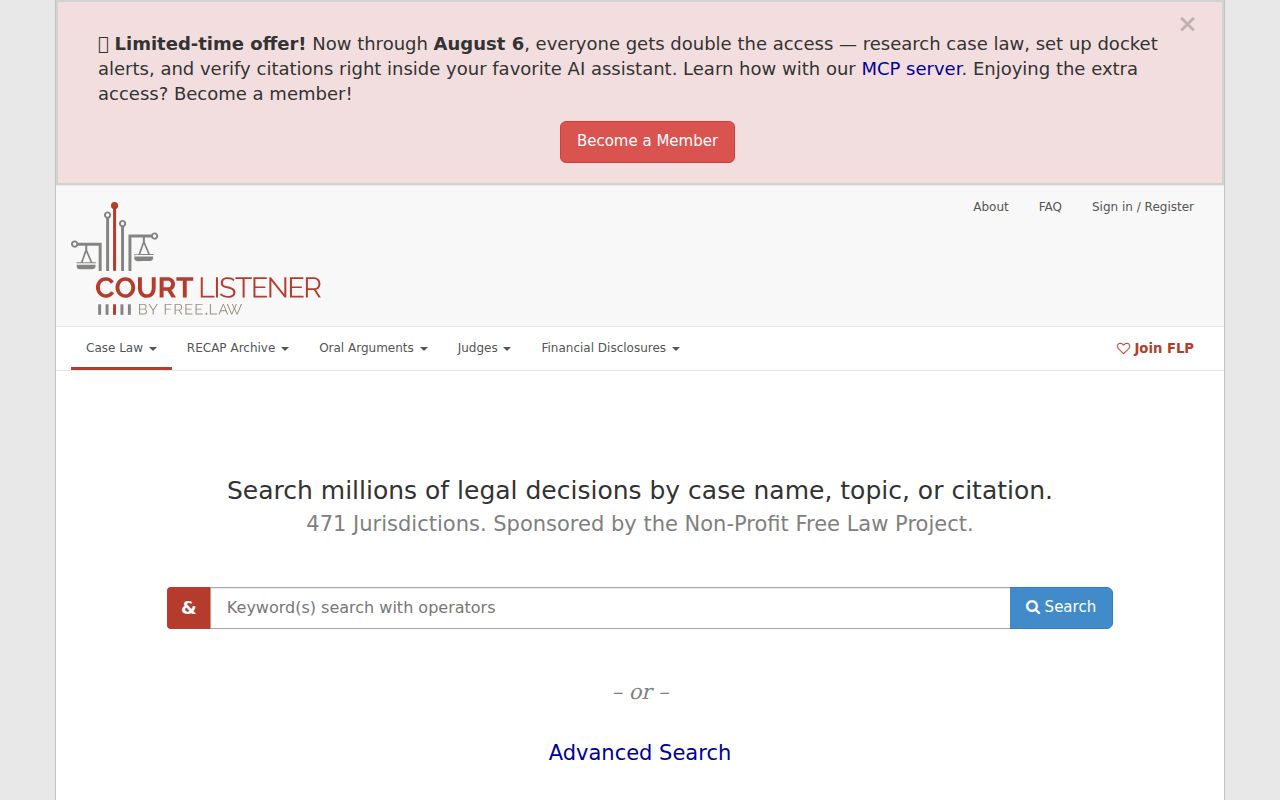
The federal docket context source is CourtListener, which can help users understand that free legal-opinion resources are separate from official Lake County probate files.
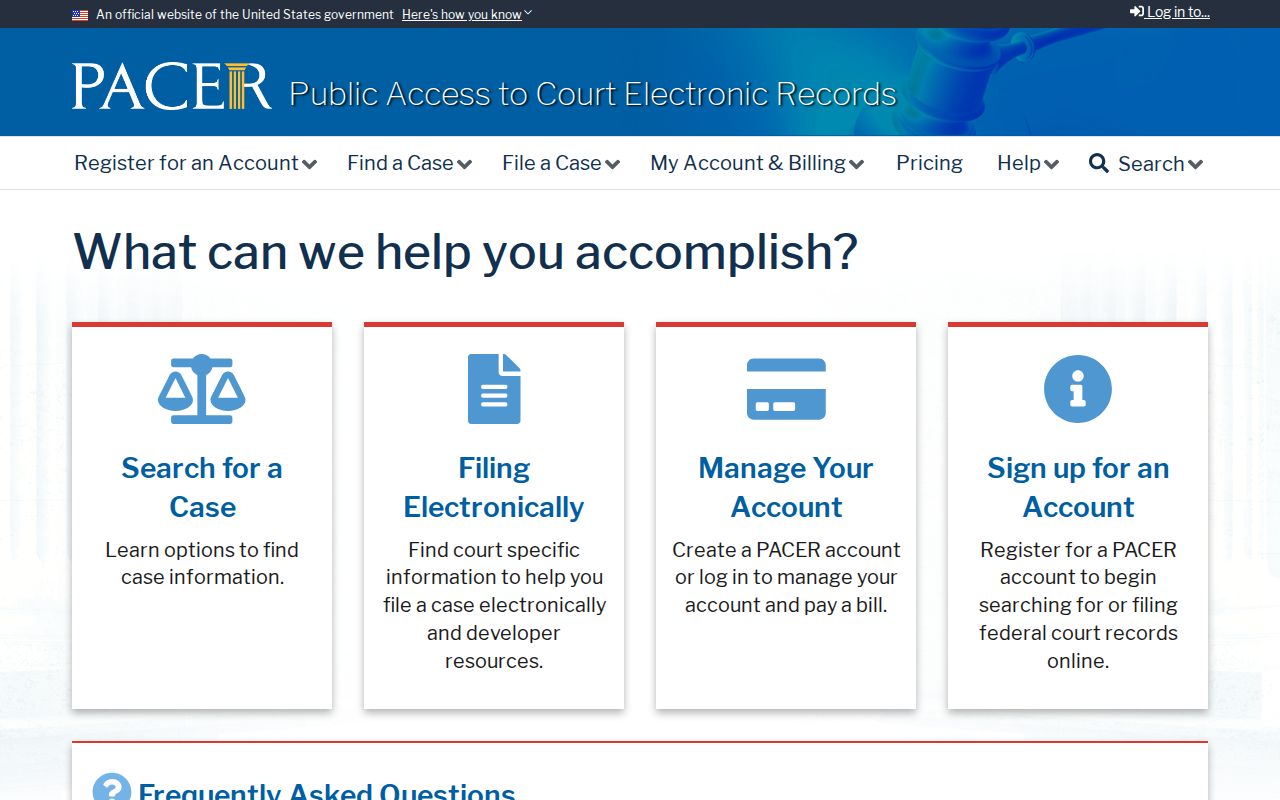
The federal court access source is PACER, the federal case access system used for federal courts rather than Lake County District Court probate matters.
What Lake County Probate Records Show
A Lake County probate record may show the filing date, estate or protected person name, petitioner, personal representative, guardian, conservator, attorney of record, bond requirement, orders appointing a fiduciary, notices, letters, inventory, claims, accountings, reports, and final settlement. Estate files can also include a will, application or petition, creditor notices, and closing documents.
Some details are restricted. Medical information, financial account details, minor information, protected-person records, mental-health material, and sealed documents may be withheld or redacted. Guardianship and conservatorship records can be more sensitive than routine estate filings because they often involve health, capacity, money management, or minor children.
Small estate procedures in Colorado depend on a statutory amount that can change. Because the research did not capture a current Lake County threshold, verify the current probate self-help materials for the year of death before relying on a small estate affidavit.